
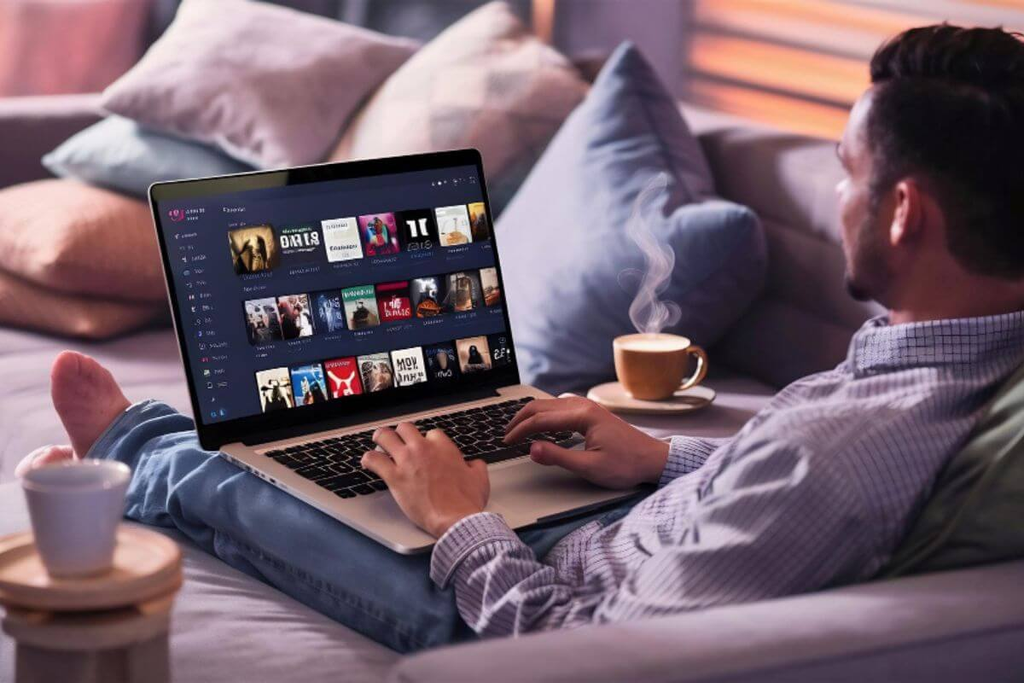
The internet has become one of the most convenient ways to discover and enjoy entertainment. Instead of relying entirely on traditional forms of recreation, people can now use computers and mobile devices to access digital experiences whenever they have free time. Platforms like pg 88 are part of this broader change, highlighting how online services are becoming increasingly integrated into everyday digital habits.
Entertainment at Your Fingertips
One of the biggest advantages of online entertainment is accessibility. A person does not necessarily need to travel somewhere or follow a fixed schedule to find something enjoyable to do. With an internet-connected device, entertainment can be available within moments.
This flexibility is particularly useful for people with busy schedules. Instead of setting aside a large amount of time for entertainment, users can choose activities that fit naturally around their daily routines.
The growth of mobile internet has made this even easier. Smartphones allow people to browse websites from almost anywhere, creating an entertainment experience that is considerably more flexible than traditional options.
Convenience Is Driving User Expectations
As people become accustomed to digital services, their expectations also change. Users generally want websites that are straightforward and responsive rather than complicated.
A convenient online platform should make important features easy to locate. Visitors should not have to navigate through multiple unnecessary pages before finding what they need.
Several factors contribute to convenience:
- Simple navigation: Clear menus help visitors move around the website.
- Responsive design: Pages should adapt to phones, tablets, and desktops.
- Fast loading: Efficient performance keeps the browsing experience smooth.
- Clear content: Visitors should quickly understand what each section offers.
- Consistent functionality: Features should work reliably across devices.
These details may seem small individually, but together they can significantly affect how users perceive a platform.
The Growing Importance of Mobile Design
Mobile devices have changed online behavior. For many people, a smartphone is now the primary way they access websites, search for information, communicate, and consume entertainment.
This makes mobile-first design increasingly important. Websites need to consider smaller screens, touch controls, different connection speeds, and the limited attention users may have when browsing on the go.
A mobile-friendly design should avoid unnecessary clutter. Buttons should be appropriately sized, text should remain readable, and important navigation elements should be easy to reach.
A platform that works smoothly across multiple devices can serve a much wider audience than one designed exclusively for desktop users.
Personalization and Digital Experiences
Another trend shaping online entertainment is personalization. Many modern platforms attempt to make content discovery easier by presenting users with recommendations based on their interests or previous interactions.
Personalization can reduce the amount of time users spend searching. Instead of browsing through everything available, they may receive suggestions that are more relevant to their preferences.
However, personalization should be balanced with transparency. Users deserve to understand how their information is being handled, particularly when platforms collect behavioral or account-related data.
Privacy has therefore become an important part of the modern digital experience.
Creating a Trustworthy Online Environment
A professional appearance is useful, but trust involves much more than visual design. Users want to know that a platform takes security, privacy, and communication seriously.
A trustworthy website should provide accessible information about its services and relevant policies. Important details should not be deliberately hidden or presented in confusing language.
Users can also take responsibility for their own online security by following basic practices such as:
- Using strong passwords.
- Avoiding suspicious links and downloads.
- Keeping devices and browsers updated.
- Protecting account credentials.
- Checking website addresses before entering sensitive information.
Good security is a shared responsibility between platforms and their users.
Entertainment Should Remain Balanced
Digital entertainment is designed to provide enjoyment, but maintaining balance is important. Because online services are available almost constantly, it can be easy to spend more time using them than originally intended.
Setting personal boundaries can help keep entertainment from interfering with important responsibilities. Users should make room for work, study, physical activity, family, social interaction, and adequate rest.
Responsible digital habits can include taking regular screen breaks and establishing reasonable limits for recreational activities.
Where a platform involves age restrictions, financial transactions, or regulated services, users should also understand the applicable requirements in their region before participating.
Where the Industry Is Heading

The future of online entertainment is likely to be shaped by continued technological development. Artificial intelligence, faster connectivity, cloud computing, and improved smartphone hardware are already creating new possibilities.
AI-powered tools could make recommendations more relevant and improve customer support. Faster networks can make interactive services more responsive, while cloud technology allows platforms to support larger audiences.
At the same time, successful innovation should focus on solving real user problems. Adding technology simply because it is new does not necessarily make an entertainment platform better.
The most valuable developments will likely be those that make digital experiences more convenient without sacrificing privacy, security, or usability.
What Users Should Look For
With thousands of websites and services available online, users have plenty of choices. Taking a few moments to evaluate a platform can help them make better decisions.
Before using an unfamiliar service, users can consider:
- Is the website easy to navigate?
- Does it work properly on mobile devices?
- Is important information clearly presented?
- Are privacy and security policies available?
- Does the service comply with relevant local requirements?
- Can the platform be used responsibly within personal limits?
These questions provide a simple starting point for evaluating an online entertainment service.
Conclusion
Online platforms have changed entertainment by making digital experiences more accessible, flexible, and convenient. Smartphones and faster internet connections have made it possible for users to explore entertainment according to their own schedules rather than relying solely on traditional formats.
However, convenience should always be accompanied by responsible use. Security awareness, privacy protection, sensible screen habits, and an understanding of relevant rules can help users maintain a positive online experience.
For readers who want to explore additional information about the person associated with the platform, the page covering ceo hà trang provides another resource. As the industry continues to develop, the platforms most likely to remain valuable will be those that combine useful technology with simplicity, reliability, transparency, and a genuine focus on the user experience.