
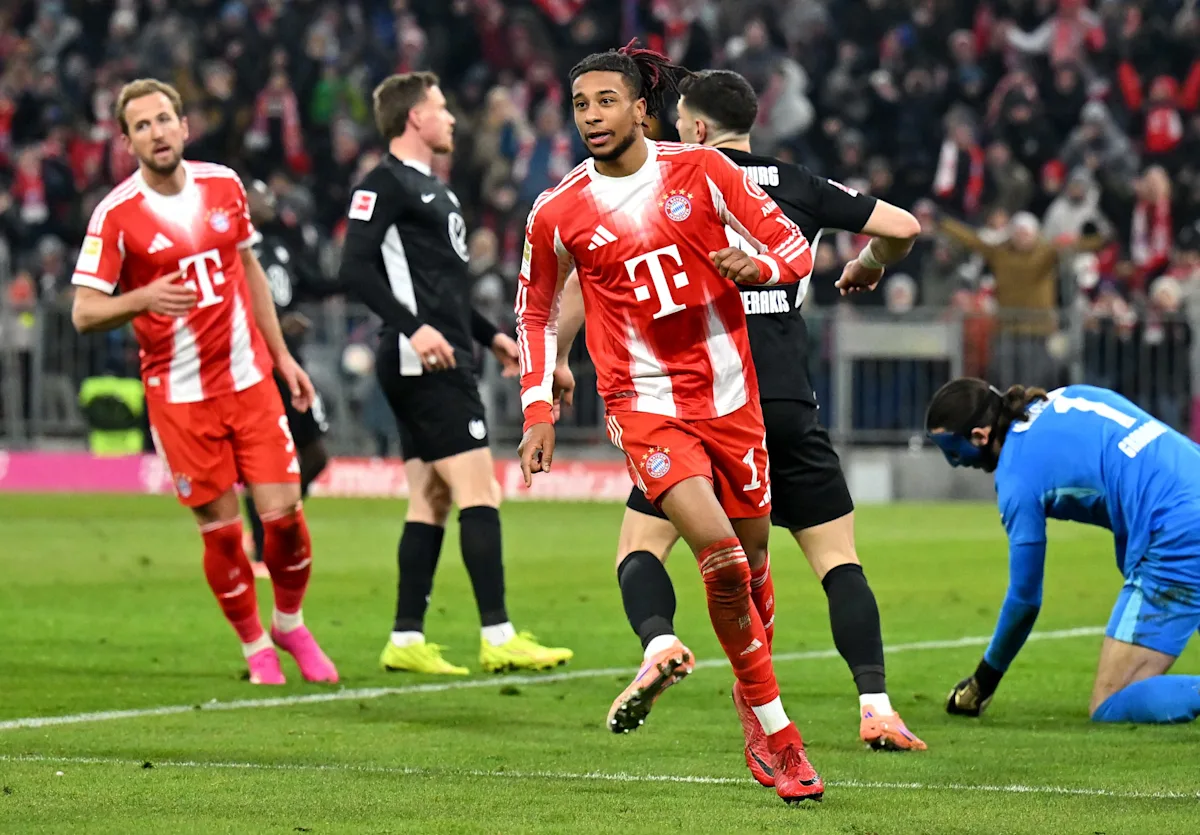
Late goals in the Bundesliga are not random bursts of drama; they are usually the end product of sustained pressure, fitness advantages, and tactical patience. Some teams repeatedly find decisive goals in the final fifteen minutes because their match approach is designed to mature over time rather than peak early. Understanding this pattern requires reading how energy, space, and decision-making evolve as the clock runs down.
Why Late Goals Appear More Often in the Bundesliga
The Bundesliga’s tempo creates physical and cognitive fatigue faster than many leagues. Teams defend aggressively, press high, and transition frequently, which erodes structure late in matches. The cause is cumulative stress rather than a single mistake. The outcome is defensive spacing errors after the 70th minute. The impact is that teams built to maintain attacking clarity gain a growing advantage as opponents tire.
Fitness Depth and Bench Impact Over Time
Late-scoring teams are often those with reliable depth rather than just strong starters. Substitutions are not reactive but planned to increase tempo against declining resistance. Fresh wide players stretch compact blocks, while energetic midfielders sustain pressing. The cause is squad rotation philosophy. The outcome is a rising chance quality curve late in games. The impact is repeated goals when opponents are least able to respond.
Tactical Patience That Preserves Attacking Shape
Some teams resist forcing early breakthroughs. Instead, they circulate the ball, probe weaknesses, and avoid positional chaos. This patience preserves attacking structure into the final phase. The cause is disciplined spacing. The outcome is clean attacking patterns late rather than desperation. The impact is goals created through structure instead of randomness.
How delayed verticality increases late-game efficiency
When vertical runs are timed later rather than constantly attempted, defenders lose reference points. As concentration drops, one late run behind the line becomes harder to track. This selective verticality explains why chances late in matches often look clearer than earlier ones.
Bundesliga Teams Most Associated With Late Goals
Several clubs repeatedly score late due to structural consistency. Bayern Munich maintain pressure deep into matches, turning territorial dominance into eventual breakthroughs. Borussia Dortmund often accelerate tempo late through wide overloads. RB Leipzig exploit fatigue with vertical substitutions, while Eintracht Frankfurt combine physical forwards with late transitional bursts.
These teams differ stylistically, but all sustain attacking intent rather than protecting draws.
Match States That Trigger Late-Goal Surges
Late goals become more likely under specific conditions: narrow scorelines, compact opponents, and cumulative defensive work. When teams defend a one-goal margin without ball relief, clearances shorten and duels are lost incrementally. The cause is energy depletion. The outcome is repeated second-phase attacks. The impact is a final breakthrough rather than steady pressure.
Before listing common triggers, it is important to note that no single factor guarantees a late goal. Probability increases when several appear together.
Common late-goal triggers observed in live matches:
- Defending team drops five to eight meters after the 70th minute
- Fullbacks stop overlapping, reducing outlet options
- Midfield fouls increase due to late reaction time
- Substitutions favor defenders over ball carriers
These indicators suggest that the defending side is surviving rather than controlling. When they cluster, late goals become structurally likely rather than hopeful.
Reading Late Goals in Live Handicap Contexts
From a live game reading perspective, late goals often appear before markets fully adjust to fatigue and spacing. In close matches, the scoreboard hides structural imbalance. During these moments, analysts observe how pressure sustains without reset. Under conditional evaluation, some readers compare live movements across a betting environment while navigating a football betting website or broader betting interface. In that context, references to ufabet168 may surface, not as instruction, but as an observational checkpoint for how late-game handicaps often lag behind visible decline in defensive structure during the final phases.
When Late-Scoring Patterns Fail
Not all matches follow the script. Teams with deep defensive rotation and ball-retention substitutes can neutralize late pressure. Early red cards, extreme weather, or match states where one side is content with a draw also suppress late goals. The cause is structural interruption. The outcome is stalled momentum. The impact is that historical late-goal tendencies lose predictive value.
Translating Late Goals Into Analytical Discipline
Late goals should be treated as structural outcomes, not emotional moments. The key is identifying whether pressure is sustainable or episodic. Teams that score late repeatedly do so because their attacking shape improves relative to opponent fatigue, not because they chase recklessly. This distinction allows late scoring to be read as a repeatable pattern rather than a narrative coincidence.
Summary
Bundesliga teams that frequently score late do so through fitness depth, tactical patience, and sustained pressure that exploits declining defensive structure. These goals emerge when match control accumulates rather than spikes. Recognizing the conditions that allow late dominance transforms last-minute goals from surprises into understandable outcomes.