
Digital entertainment has become more immediate, more visual, and more personalized than it was only a few years ago. For people exploring this space, uu88 nổ hũ is one example of how a modern platform can bring multiple forms of digital entertainment into a single interface. This perspective is especially important in fast-moving categories where decisions can be made in seconds. This article focuses on fish-shooting games explained: controls, targets, and core gameplay, with attention to usability, information quality, and responsible decision-making rather than hype.
The pace of fish-shooting games can be much faster than it first appears. Each shot may seem small, yet repeated firing can consume a budget quickly, especially when weapon levels or power-ups change the cost. Users should learn the interface, check the cost per action, and set limits before the screen becomes busy. The broader lesson is to favor readable rules and deliberate choices over visual urgency.
The Basic Arcade-Style Loop
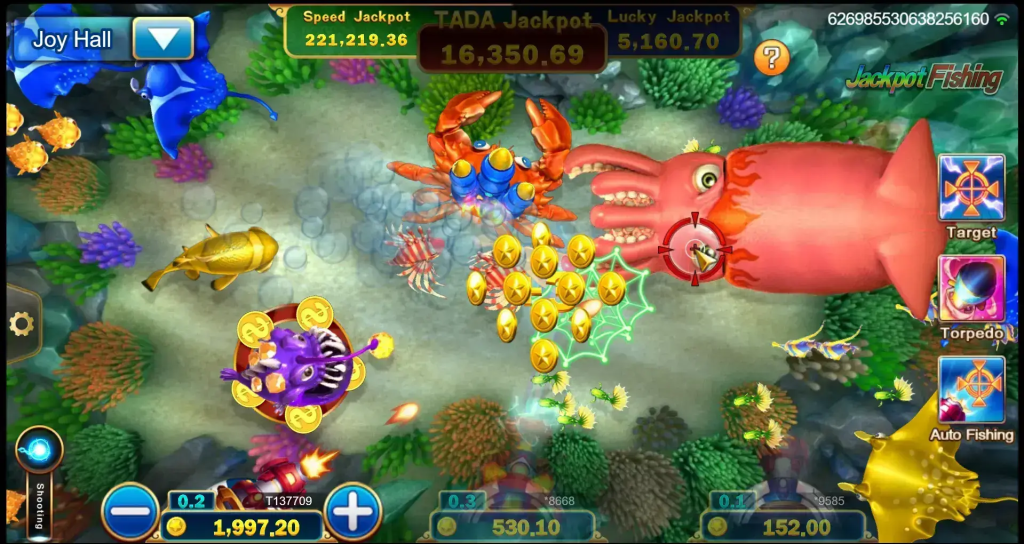
The idea behind the basic arcade-style loop becomes clearer when it is connected to everyday user behavior. Fish-shooting games use an arcade-style loop that is easy to understand visually: targets move across the screen, the player aims a weapon, and each shot consumes a resource or stake. Different targets may carry different values, and special creatures or events can trigger larger effects. The interaction can feel skill-based because the player chooses where and when to fire. However, in real-money versions, the final reward structure can still involve randomized or system-controlled outcomes, so visual accuracy should not be confused with a guaranteed result. For this article’s focus, the practical priority is to keep the next decision understandable and deliberate.
Aiming and Firing Controls
From a practical standpoint, aiming and firing controls deserves more attention than it often receives. Controls influence how these games feel more than in many traditional casino formats. Touchscreen aiming, weapon selection, firing speed, lock-on functions, and power-up buttons all affect the pace. A responsive interface makes it easier to understand what is happening, while lag can create uncertainty about whether a shot registered correctly. Users should learn the control layout at a low pace before increasing activity. Fast firing can consume a budget quickly, particularly when each shot has a separate cost. In practice, that means slowing the process down whenever speed begins to replace judgment.
Targets, Values, and Visual Feedback
One useful way to think about targets, values, and visual feedback is to separate what the interface controls from what the user controls. Target selection adds a strategic-looking layer. Small targets may move quickly and appear frequently, while larger or special targets can be more visually prominent and may be associated with different reward values. The important point is that a high-value target is not automatically an efficient choice. Users should understand the game’s rules, weapon costs, and reward conditions instead of assuming that the largest object on screen is always the best target. Visual design is meant to attract attention, but rules determine the actual mechanics. The broader lesson is to favor readable rules and deliberate choices over visual urgency.
Power-Ups and Special Weapons
Power-Ups and Special Weapons is best understood as a practical part of the overall user experience. Performance matters because these games often display many moving objects at once. Frame rate, touch responsiveness, connection stability, and screen size can all affect readability. On a small phone, crowded effects may hide important information such as weapon level, shot cost, or remaining balance. A good mobile interface keeps those values visible even during busy sequences. If lag or disconnection occurs, continuing to fire rapidly is a poor choice because the user may not have a clear view of what the system is processing. This is most useful when the person treats the interface as a tool, not as a signal that action is required.
Pace and Resource Management

The idea behind pace and resource management becomes clearer when it is connected to everyday user behavior. The rapid pace can distort time and spending awareness. A single action may feel insignificant, but many small actions can add up quickly when repeated every second. That is why session management is especially important in arcade-style wagering games. A fixed resource limit and a timer create a deliberate pause between entertainment and automatic repetition. When the planned limit is reached, stopping is more useful than changing weapons or target strategies in an attempt to recover earlier spending. The simplest test is whether the person can explain the choice clearly before making it.
- Identify shot cost before increasing speed.
- Learn how weapon levels change exposure.
- Watch balance and session time.
- Do not chase a high-value target after losses.
Random Outcomes Still Matter
From a practical standpoint, random outcomes still matter deserves more attention than it often receives. The most important distinction is between interaction and control over the final outcome. A game can require aiming and timing while still containing uncertain reward mechanics. Responsible play therefore focuses on the variables the user truly controls: how long to play, how much to spend, how quickly to fire, and when to stop. If the experience becomes frustrating or emotionally charged, stepping away is more rational than increasing the pace. The game should remain entertainment rather than a test of persistence. For this article’s focus, the practical priority is to keep the next decision understandable and deliberate.
A useful rule is to avoid using borrowed money, essential household funds, or money assigned to bills. If play stops feeling recreational, the sensible choice is to stop rather than increase stakes or extend the session. The simplest test is whether the person can explain the choice clearly before making it.
A Practical Checklist Before a Fast-Paced Session
Before a fish-shooting session, identify the cost per shot, the current weapon level, and the balance display. Learn what special targets and power-ups do before using them, and avoid increasing firing speed simply because the screen becomes exciting. Set a fixed budget and a timer because repeated small actions can add up quickly. If lag appears, stop firing until the connection is stable. Most importantly, remember that aiming and timing create interaction, not certainty. When the planned limit is reached, stop rather than trying to recover resources through faster play or more expensive weapons. In practice, that means slowing the process down whenever speed begins to replace judgment.
A final consideration is user awareness. In this category, the interface can make repeated actions feel routine, but convenience does not reduce the importance of understanding rules and limits. Users benefit from pausing before any change in pace, stake, or feature choice, checking what the change actually means, and deciding whether it still fits the original entertainment plan. This kind of pause is simple, but it helps separate deliberate choices from automatic reactions. It also provides a natural point to stop if the session has become longer, faster, or more expensive than intended.
Conclusion
The strongest digital experiences are the ones that make important information easy to find and give users enough control to slow down when necessary. Fish-shooting games combine fast arcade interaction with uncertain reward mechanics, so understanding shot costs, target rules, device performance, and session limits is essential. Anyone reviewing Bắn cá UU88 or a similar section should focus on rules, transparency, device performance, and personal limits rather than assuming that visual polish changes the uncertainty of outcomes. In the long run, informed use is less about finding a perfect system and more about making deliberate decisions, recognizing risk, and keeping entertainment within boundaries that remain comfortable.